
Maintenance · 5 min read
Holding temperature in a Viking built-in through an Atherton summer
Warm afternoons, a full wine fridge and a panel-ready install all test a Viking built-in. Why temperatures drift in summer and the maintenance that prevents it.
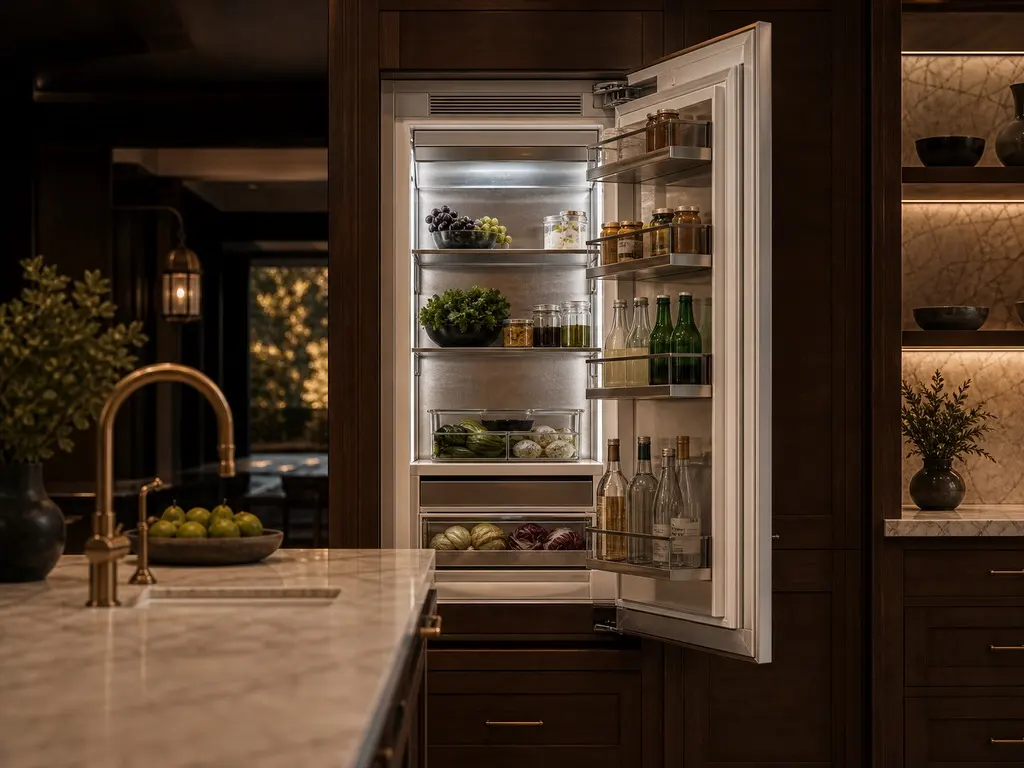
Atherton doesn't get Bay-front fog the way the coast does — it gets warm, still afternoons, especially late summer when the Peninsula heats up well inland. That heat is the quiet test of a Viking built-in refrigerator, and it's why most of our "it's a degree or two warm" calls land between July and September.
A built-in sheds its heat differently from a freestanding fridge, so a few specifics decide whether yours coasts through a hot week or starts to drift.
A built-in lives or dies by its condenser airflow
A Viking built-in pulls air across its condenser through the grille at the top of the unit, not out the back like a freestanding fridge. Cabinetry boxes it in, so anything blocking that grille — dust packed into the coil, a decorative panel seated too tight, even a tall item stored on top — chokes the airflow. On a mild day the compressor compensates; on a 90-degree Atherton afternoon it can't, and the box runs warm. A grille and condenser cleaning twice a year is the highest-value thing you can do for a built-in here.
Door gaskets work hardest in the heat
The magnetic gasket around a built-in door is the seal between your conditioned interior and a warm kitchen. As it ages it stiffens and stops pulling flush, and the gap is invisible until a hot week makes the unit run constantly to fight it. The dollar-bill test still works: close the door on a slip of paper and tug — if it slides out with no resistance at that spot, the gasket has given up there.
Wine and beverage columns drift first
Many Atherton kitchens pair the main built-in with a Viking wine column, and the wine unit is the early-warning system. It runs a tighter temperature band and a smaller compressor, so it shows summer strain before the food fridge does — a couple of degrees of drift in the wine column is a cue to clean both before the main unit follows.
When drift becomes a repair
If the grille is clear, the gaskets seal and the unit still can't hold temperature on a hot day, the next step is a sealed-system or fan check — not guesswork. We put readings on it: evaporator and condenser behavior, fan operation, and sealed-system pressures where the symptoms point that way, then show you what we found before recommending anything. Often it's a tired evaporator fan or a control, not the expensive sealed-system repair people fear.
FAQ
Questions & answers
Why does my Viking built-in run warm only in summer?
A built-in vents heat through a top grille that's boxed in by cabinetry. On a hot Atherton afternoon a dusty condenser or a stiff door gasket that the unit could mask on a mild day suddenly can't keep up. Cleaning the grille and checking the gaskets resolves most summer drift.
How often should the condenser on a built-in be cleaned?
Twice a year for a built-in, more often than a freestanding fridge, because the cabinet restricts airflow and the coil loads faster. It's the single best preventive step for holding temperature through the warm months.
Does the wine column need separate attention?
Yes. A Viking wine column runs a tighter temperature band on a smaller compressor, so it drifts before the main fridge and acts as an early warning. If the wine unit slips a couple of degrees in summer, service both before the food fridge follows.
White-glove Viking service
Rather leave it to a Viking specialist?
Speak with a Viking specialist now, or schedule online in under a minute. $89 service call, waived with repair, and a 365-day warranty on all labor.